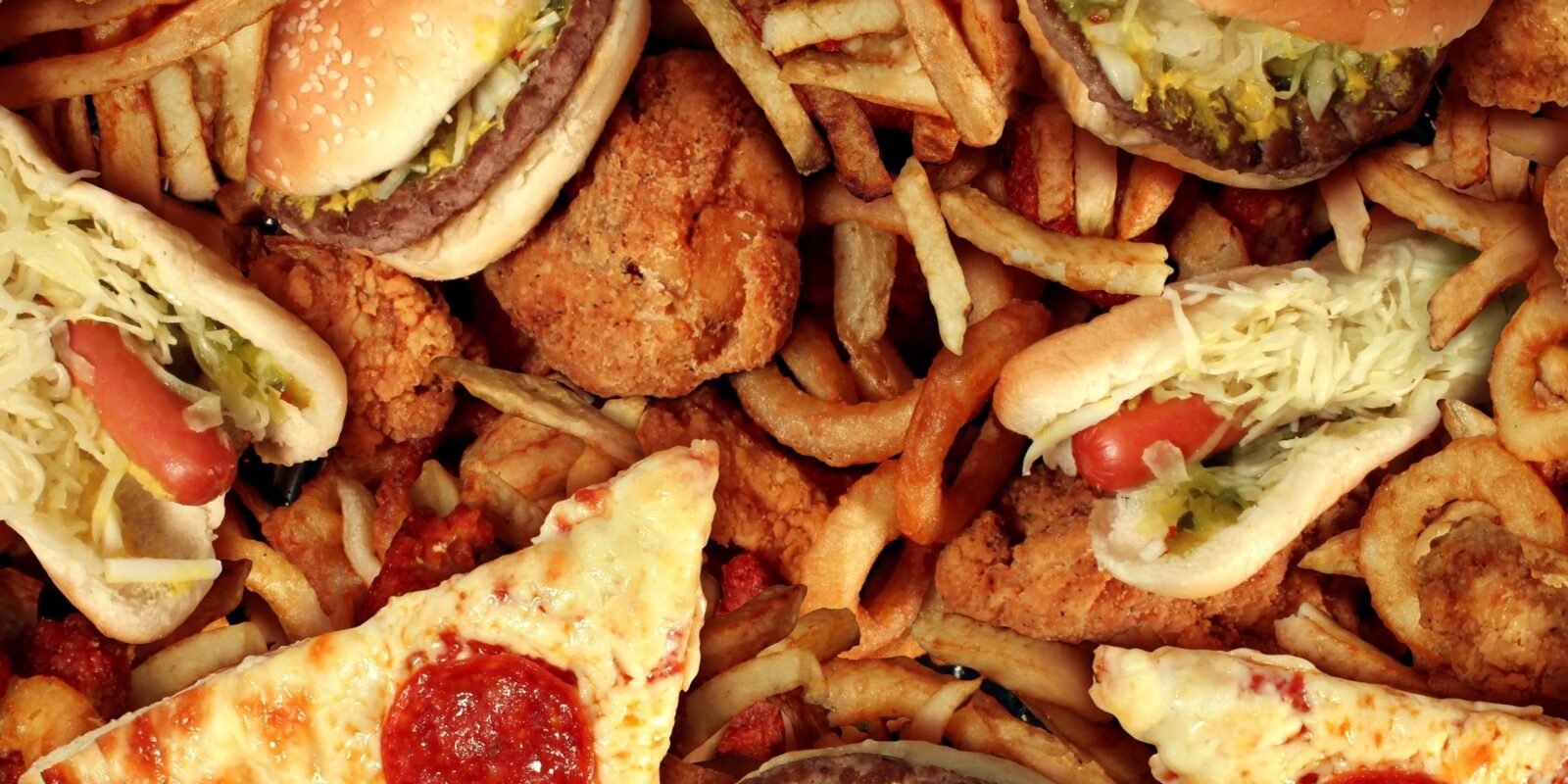
A massive new analysis encompassing over eight million adults has revealed a sobering link between ultra-processed foods and a wide array of severe health complications. The study, published in Family Medicine and Community Health, found that consuming additive-heavy products like packaged snacks, sugary treats, and ready-to-heat meals significantly raises the risk of everything from cardiovascular events and cancer to depression and digestive diseases. Researchers discovered that even small increases in daily intake can move the needle on health outcomes, noting that adding just 100 grams of these industrial products to a person’s daily diet correlates with higher rates of hypertension and overall mortality.
The scale of the research is immense, drawing from 51 different prospective studies following participants aged 23 to 77 over periods lasting up to three decades. According to the data, those with the highest intake of ultra-processed foods faced a 24 percent increase in cardiovascular issues and a similar spike in cases of diabetes or metabolic syndrome. Beyond physical ailments, there was a notable connection to mental health struggles, with a 27 percent increase in reports of anxiety and depression among heavy consumers. Experts believe this may be due to a cocktail effect where various artificial sweeteners and preservatives interact in ways that are more damaging than any single additive would be on its own.
Much of the rise in these diets stems from the sheer convenience and low cost of industrially produced food, which often replaces nutrient-dense options with calorie-heavy items lacking essential fibers, proteins, and vitamins. However, Dr. Xiao Liu and his colleagues at the Duke NUS Medical School suggest that the solution should not be about strict restriction alone. Instead, they advocate for a patient centered approach focused on substituting processed goods with minimally processed alternatives based on individual tastes and needs.
By integrating these dietary swaps into routine primary care counseling, healthcare providers could potentially tackle multiple chronic conditions at once. Because many of the illnesses linked to ultra-processed foods tend to cluster together in patients, addressing diet serves as a powerful tool for managing what doctors call multimorbidity. Reducing the proportional role these industrial foods play in our daily menus could prove to be one of the most scalable strategies for improving public health on a global level.