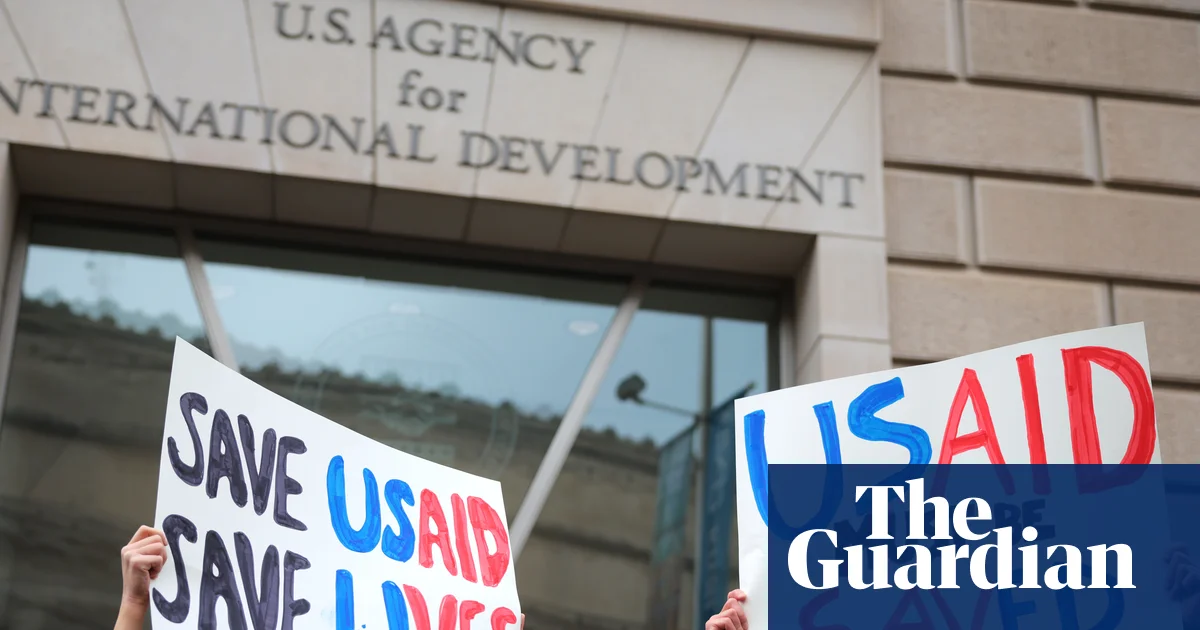
Healthcare systems across Africa and the Global South are facing an escalating crisis as the withdrawal of critical American aid leaves a widening gap in essential medical services. According to a sobering new report titled A Sovereign Future For Health, cuts initiated during the Trump administration to agencies like USAID, compounded by the fallout from the pandemic and a global rise in living costs, have placed unprecedented strain on regional health infrastructure. This financial instability has forced many nations into a desperate scramble to restructure their budgets overnight just to keep basic clinics operational.
The human cost of these policy shifts is already becoming evident through staggering statistics and local tragedies. In South Africa, the loss of funding from the US Emergency Plan for Aids Relief stripped away more than 400 million dollars annually, leading to clinic closures that left roughly 1.4 million people living with HIV uncertain about their life saving treatments. Similarly, Nigeria was forced to shoulder a 200 million dollar burden when it had to absorb 28,000 health workers previously funded by USAID, while Ghana reported losing 78 million dollars in support for maternal care and malaria treatment.
Leading this call for systemic change is former Ghanaian President John Dramani Mahama through his Accra Reset initiative. Mahama argues that these disruptions prove that relying on Western donors is fundamentally unsustainable, pointing out the irony that Africa carries nearly a quarter of the world’s disease burden yet produces less than one percent of its own vaccines. He suggests that instead of remaining dependent on volatile foreign grants, countries in the Global South must seize control of their own health development and manufacturing capacities to ensure stability regardless of political shifts in Washington.
Despite the current friction, there appears to be significant public appetite in the United States for returning to a collaborative approach. Recent polling conducted by the Rockefeller Foundation indicates that three quarters of Americans believe disease prevention aid should be restored to combat threats like Ebola. Even among supporters of Donald Trump, over half agreed with restoring such aid, suggesting a broad consensus that global health security is a shared responsibility that transcends partisan lines. Experts now argue that donor countries should move toward supporting country led transitions rather than imposing top down mandates.