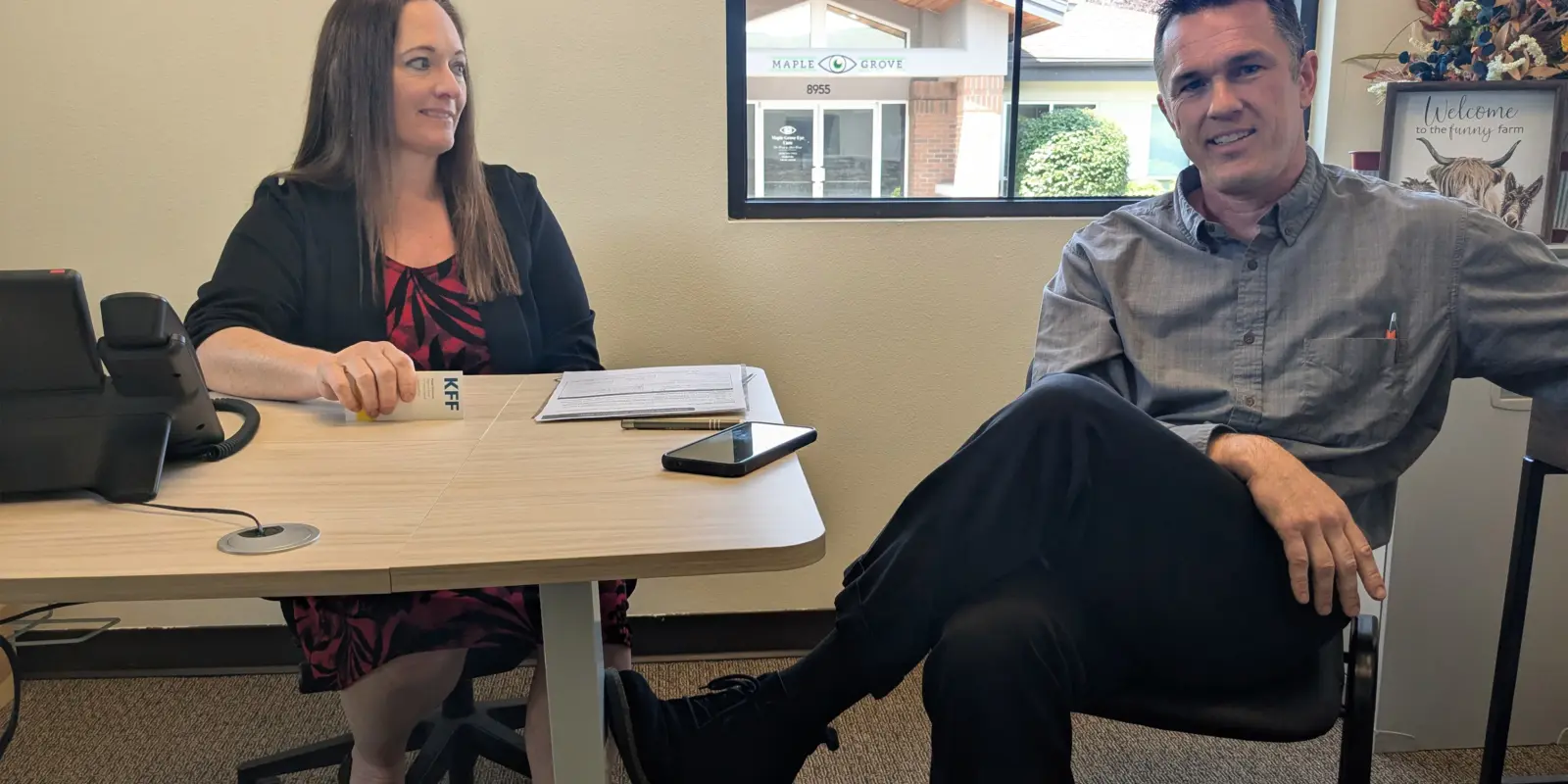
For Joshua and Ashley Durham, running a family medicine practice in Boise, Idaho, should mean stability. Instead, it has led them to a precarious financial crossroads where they find themselves completely uninsured for the first time in their lives. After seeing their monthly premiums on the Affordable Care Act marketplace jump by several hundred dollars to nearly 1,600 dollars, the couple made the risky decision to stop paying for coverage entirely. They are now relying on a 50,000 dollar health savings account to cover emergencies, a move Joshua describes as nerve racking because one major accident could wipe out their safety net.
This trend reflects a growing crisis among healthcare providers who are increasingly unable to afford the very systems they operate within. Historically, medical professionals have been far more likely to have insurance than the general public, but skyrocketing costs are erasing that advantage. The situation is exacerbated by the loss of pandemic era tax credits and projected spending cuts, leaving small independent practices particularly vulnerable. Jack Dillon of the Association for Independent Medicine notes that these astronomical price hikes have become untenable for small businesses, forcing employers to consider cutting benefits or offering only minimal plans.
The burden falls even harder on those with chronic illnesses who cannot simply opt out of the system. Samantha LeGault, a nurse practitioner in Boise, saw her monthly premiums double from 700 to 1,500 dollars this year. Because she manages Crohn’s disease and cares for children with medical conditions, skipping insurance isn’t an option. To balance her budget and keep her family covered, she has had to sacrifice dental insurance and move her children from private to public school. For LeGault, the reality is stark: despite being a provider herself, she views healthcare in the United States primarily as a business where she happens to be an expensive patient.
As affordability plummets, some practitioners are resorting to unconventional methods of care. Dr. Durham admits he occasionally diagnoses and treats himself and his family—a practice generally discouraged by medical ethics codes—while his wife fills their prescriptions using her pharmacy background. Bioethicists suggest that as traditional access vanishes due to cost, these familial arrangements may become more common. However, for many workers without specialized certifications or deep savings accounts, there is no workaround for a system where staying healthy is becoming prohibitively expensive_